Play Text-to-Speech:
Introduction: Why Deep Work Is More Than Just a Productivity Hack
In today’s age of smartphones, multitasking, and digital distractions, Cal Newport’s Deep Work (2016) stands out as a provocative challenge: the ability to focus without distraction on cognitively demanding tasks is not only rare but valuable—perhaps even more than technical knowledge or raw intelligence. Newport defines deep work as:
“Professional activities performed in a state of distraction‑free concentration that push your cognitive capabilities to their limit.”
Those who master deep work thrive, learn fast, and produce at elite levels. But realizing this potential requires cultivating habits, rituals, and an environment that prioritize deep focus over shallow busyness, multitasking, and digital overconsumption.
This article will explore:
- Core claims and neuroscience behind deep work
- Real-world implications for individuals and organizations
- Newport’s four rules, plus extended tools and rituals
- Deep work models and time-blocking best practices
- Common pitfalls and how to overcome them
- Stories, use cases, and reader insights
- How deep work aligns with digital minimalism, life satisfaction, and performance
Let’s begin by grounding ourselves in what makes deep work a competitive edge—and a path to a more meaningful, impactful life.
Part I: The Case for Deep Work
1. Deep Work as a Competitive Edge
In the knowledge economy—and increasingly remote or digitally dominated workplaces—skills like problem-solving, creativity, and innovation deliver outsized value. These require deep, focused thinking.
Newport argues:
- Deep work produces high-quality output. When you’re fully engaged, distractions are eliminated, and productivity is maximized.
- Deep work accelerates learning. Challenging mental tasks engrain skills faster than casual exposure.
- Deep work is rare. Most people default to email, meetings, and reactive shallow work—never allocating focused time for sustained thinking.
Organizations that reward deep work gain a lasting edge. Individuals who practice it rise in competence and output far faster than peers who fragment their attention.
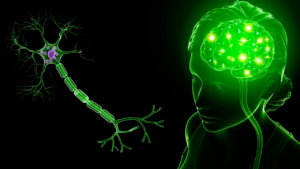
2. The Neuroscience Behind Focus
Deep work is not just motivational—it’s rooted in brain science:
- Flow states (Mihaly Csikszentmihalyi) emerge when we lose sense of time in challenging, high-skill tasks.
- Attention spans and working memory are finite—every distraction “resets” this reservoir, requiring deep concentration to rebuild.
- Neuroplasticity thrives when we stretch cognitive boundaries—deep work tasks enhance neural pathways and skill acquisition.
Skilled attention becomes a muscle—and training it yields immense cognitive capacity and performance gains.
3. Shallow Work: The Enemy of Depth
Shallow work—routine, logistical, reactive tasks—has its place but:
- Consumes vast amounts of time and mental energy
- Often feels urgent—but rarely adds strategic value
- Fragments attention throughout the day, making return to deep focus increasingly difficult
Deep work isn’t about eliminating all shallow work. It’s about rebalancing your time so the ledger is dominated by value-driven focus, not low-impact busyness.
Part II: The Four Rules of Deep Work (Plus a Fifth)
Cal Newport structures his system into four rules—but a fifth, “Build in Sustained Reflection & Rest,” naturally extends the framework.
Rule 1: Work Deeply
Key idea: Intensity plus consistency yields results.
a. Choose a Deep Work Model 🔧
- Monastic: Full deep work immersion, shut off from distractions (e.g., writers retreat).
- Bimodal: Alternate deep work periods with shallow blocks (e.g., 3 hours morning focus, rest of day for meetings).
- Rhythmic: Daily habit—e.g., every morning 90 minutes of focused writing.
- Journalistic: Opportunistic deep work, fitting focus into available gaps.
Choose the model aligned with your lifestyle and role.
b. Ritualize Your Focus Time
To prevent decision fatigue:
- Set time and duration (e.g., 9–10:30 am)
- Choose location and setup (desk, quiet, no phone)
- Define rules (no internet, no phone)
- Identify measurable goals (complete X page, code Y lines)
By ritualizing, you automate focus—shifting mental energy from friction to creation.
c. Embrace Downtime Before and After
Before: 10-minute warm-up—review ideas
After: Reflection—evaluate what worked, note improvements for next session
Rule 2: Embrace Boredom
Focus is a muscle that needs training.
- Productive meditation: Carry a problem in mind during a walk—refine complexity without screens.
- Boredom blocks: Build tolerance for idle moments—ditch phone checking while waiting in line.
- Scheduled distractions, not random ones. Force yourself to focus even when bored, then allow a break after genuine effort.
By acknowledging that boredom can lead to focus, you rewire the brain to resist distraction.
Rule 3: Quit Social Media
Digital tools can hijack focus.
a. Apply the Craftsman Mindset
Ask: Does this tool produce a high return on time invested for my goals? If not, eliminate it.
b. Follow the Digital Minimalism Protocol
- Conduct a 30-day detox: remove optional apps
- During detox, test whether they deliver true value
- Only reintroduce tools that clearly serve your professional or personal goals
- If needed, confine usage—e.g., 30 minutes each evening
c. Protect Your Time
Treat shallow tools as optional—and only engage when scheduled and intentional.
Rule 4: Drain the Shallows
Reduce unimportant tasks—meetings, low-value emailing.
a. Timeblock Shallow Work
Schedule specific blocks (e.g., 3–4 pm for emails), treat them like meetings—no interruptions allowed.
b. Impose Daily “Shallow Budgets”
Cap shallow work—e.g., maximum 60 minutes per day of reactive tasks.
c. Ruthlessly Delete Non-essential Meetings
Step out of meeting culture; unless you’re adding deep value in a given session, politely decline.
d. Establish Clear Shutdown Rituals
Set an end-of-day routine to finalize shallow tasks and mentally quit work. Newport calls it the “shutdown command.”
Rule 5 (Bonus): Build in Reflection & Rest
To sustain deep work, we need recovery and reflection.
- Plan weekly reviews: audit time spent in deep vs. shallow blocks, adjust schedules
- Use deep journaling: capture why work matters, your process, lessons learned
- Incorporate downtime: exercise, nature, creative hobbies, quality sleep
Rest is not wasted time—it’s a performance multiplier.
Part III: Measuring Deep Work—Tracking, Feedback, and Adjustments
You can’t improve what you don’t measure. Newport recommends:
- Log daily time: Use spreadsheets or time-tracker to log hours of focus.
- Assess session quality: Rate the effectiveness of each block.
- Weekly reflection: Ask: Were deep goals met? What got in the way? How to adjust next week?
- Dashboard reporting: Weekly charts—deep vs shallow hours, task completion, mood/energy levels
By inspecting and adapting each week, progress becomes measurable and iterative.
Part IV: Implementing Deep Work—Strategies & Tools
1. Time-Blocking Templates
| Time | Task Type | Details |
|---|---|---|
| 7:30–7:45 am | Prep | Warm-up, goals review |
| 8:00–9:30 am | Deep Work | Main creative task (writing, coding, etc.) |
| 9:30–10:00 am | Break | Walk, snack |
| 10:00–12:00 pm | Deep Work | Secondary focus (research, design) |
| 12:00–1:00 pm | Lunch + Downtime | Rest and recharge |
| 1:00–2:00 pm | Meeting/Email | Deeply shallow, scheduled |
| 2:00–4:00 pm | Shallow Work | Calls, logistics |
| 4:00–5:00 pm | Email Cleanup/Shutdown | Reflect, plan next day |
| 5:00 pm | End of Work | Leave desk, transition to life |
Adjust times to your bio-rhythm.
2. Deep Work Tools & Ritual
- “Bliss station”: unplugged focus zone with noise-canceling headset, timer, water bottle
- Pomodoro technique: use longer variations (45–90 min blocks + 15–20 min break)
- Digital locks: apps like Freedom or Cold Turkey disable distracting sites/apps for timed intervals
- Literal Do Not Disturb: Phone off or in airplane mode; desktop notifications off
- Sacralize deep rituals: Strong triggers—e.g., commute → coffee → noveling block
3. Desk Setup
- Minimalist workspace—just high-focus tools on your desk
- Physical cues—stickers or quotes reminding you of values
- Whiteboard for quick brainstorming or tracking
Part V: Real-World Reflections
Reddit’s BettermentBookClub members report:
“Deep Work is high value… the superpower of the 21st century.”
“Finish your work by five‑thirty… work backwards… be planning.”
“Create a Bliss Station… silence phone, turn off notifications.”
“One hour deep work… 15‑minute breaks… Big break… weekly gains.”
Professionals across sectors—writers, coders, lawyers—apply Newport’s framework and report:
- Learning rates doubled or tripled
- Reduction in time spent on shallow work from 60% to 30% weekly
- Lower stress and greater job satisfaction
Case Study: Software Engineer
- Implemented 90‑minute morning coding sprints for algorithm design
- Reduced open‑plan office interruptions—used noise canceling and “heads‑down” sign
- Over 6 months: features built in half the time, fewer bugs, promotion to senior engineer
Case Study: Creative Director
- Adopted bimodal focus: M/W/F mornings deep design work; rest of week meetings/emails
- Disconnected from Slack after 2 pm
- Creative deliverables doubled; client satisfaction rose; burnout dropped
Part VI: Pitfalls & Solutions
- Guilt from reducing “busyness”
→ Explain to stakeholders: focus blocks increase output; share deep results. - Difficulty sustaining initial discipline
→ Start small: 45-minute blocks, only 3 sessions per week. - Digital resistance
→ Embrace digital minimalism; provide value-based rationales for tool use. - Environmental interruptions
→ Negotiate with colleagues, close door, sound signal. - Boredom sabotage
→ Use productive meditation, incrementally extend focus times. - Overcommitting to shallow work
→ Enforce shallow budgets; subscribe to Newport’s “shutdown mantra.”
Part VII: Deep Work and Life Satisfaction
Deep work isn’t just about output. Benefits include:
- Flow and fulfillment – deeply meaningful work creates joy
- Identity and reputation – consistent value creation wins career momentum
- Resilience and confidence – tackling hard challenges boosts grit
- Work-life boundaries – clear shutdown rituals minimize evening intrusions
- Neurocognitive Wellbeing – consistent rest, structure, and mindfulness counteract digital overstimulation
Part VIII: Beyond Deep Work—Newport’s Legacy
Cal Newport’s later works build on this foundation:
- Digital Minimalism: Respect for tech, not mindless consumption
- A World Without Email: Systemic alternatives to inbox chaos
- Slow Productivity: Intentional output over urgent shallow action
Deep work is not a side hustle—it’s a philosophy for focused, intentional, meaningful performance.
Part IX: Blueprint for Getting Started
- Pick your model: Rhythmic or bimodal, based on your schedule
- Create the ritual: Time, place, device policy, goal
- Time-block everything: Routine deep + scheduled shallow
- Eliminate distractions: Silence, apps off, environment aligned
- Track and reflect weekly: Use logs, charts, weekly audits
- Adjust and scale: Add more blocks when ready
- Support with rest/rituals: Build mental stamina
- Systematize shutdown: Clear end cues lead to evening recovery
Conclusion: Make Focus Your Superpower
Cal Newport’s Deep Work isn’t a productivity gimmick—it’s a transformative framework for thriving cognitively, creatively, and professionally. In a world urging us to spread ourselves thin, deep work helps you go relentless on what truly matters.
When you reclaim your attention, you reclaim your value.
When you focus deeply, you build skill.
When you craft with care, you find meaning.
In Newport’s words: attention is the rarest and purest form of generosity—to yourself, to your craft, and to your impact. By choosing depth over distraction, you cultivate not just better work, but a better life.

Maintenance, projects, and engineering professionals with more than 15 years experience working on power plants, oil and gas drilling, renewable energy, manufacturing, and chemical process plants industries.