Play Text-to-Speech:
Work-related stress is a common issue among office workers. It can lead to burnout, decreased productivity, and even physical and mental health problems. In this article, we’ll explore some tips and tools that can help you manage work-related stress and improve your overall well-being.
1. Prioritize Time Management
One of the biggest sources of work-related stress is feeling overwhelmed with the amount of work you have to do. By prioritizing time management, you can create a sense of control over your workload and reduce stress.
There are several time management tools that can help you stay organized and on top of your tasks. For example, the Pomodoro technique involves working in 25-minute intervals followed by a short break, which can help you stay focused and avoid burnout. There are also several apps and software programs, such as Trello and Asana, that can help you keep track of your tasks and deadlines.
2. Take Breaks and Practice Mindfulness
Taking breaks throughout the day can help you recharge and avoid burnout. Even just a few minutes away from your desk can help reduce stress and increase productivity. You can use technology to remind yourself to take breaks and practice mindfulness, such as meditation or breathing exercises.
There are several mindfulness apps available, such as Headspace and Calm, that can guide you through meditation and breathing exercises. Additionally, there are apps and browser extensions that can block distracting websites and notifications, such as Freedom and StayFocusd, which can help you stay focused and reduce stress.
3. Communicate Effectively
Poor communication can lead to misunderstandings and unnecessary stress. By communicating effectively with your colleagues and managers, you can reduce stress and increase productivity.
There are several communication tools that can help you collaborate effectively with your team. For example, Slack and Microsoft Teams allow you to communicate in real-time, share files, and collaborate on projects. These tools can help reduce the number of unnecessary meetings and emails, which can be a source of stress.
4. Use Ergonomic Equipment
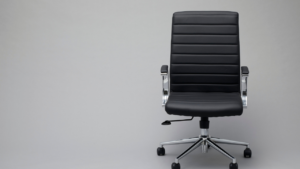
Poor ergonomics can lead to physical discomfort and stress. By using ergonomic equipment, you can reduce the risk of injury and increase your overall comfort and well-being.
There are several ergonomic tools available, such as standing desks, ergonomic chairs, and keyboard and mouse pads. Additionally, there are several apps and browser extensions, such as f.lux, that can adjust the color and brightness of your computer screen to reduce eye strain and improve sleep.
5. Seek Support
If you’re experiencing work-related stress, it’s essential to seek support. This could be from colleagues, managers, or a mental health professional.
Many workplaces offer employee assistance programs (EAPs), which provide counseling and support for employees experiencing stress and mental health issues. Additionally, there are several mental health apps and online resources available, such as BetterHelp and Talkspace, which offer online counseling and therapy.
In conclusion, work-related stress is a common issue among office workers, but there are several tips and tools that can help you manage stress and improve your overall well-being. Prioritizing time management, taking breaks and practicing mindfulness, communicating effectively, using ergonomic equipment, and seeking support are all essential strategies for managing work-related stress. Remember to prioritize self-care and seek help if you’re struggling.

Maintenance, projects, and engineering professionals with more than 15 years experience working on power plants, oil and gas drilling, renewable energy, manufacturing, and chemical process plants industries.